

An essay written by Winston Churchill on the possibility of alien life resurfaced after 78 years and reignited discussions about extraterrestrial encounters.
As we explore Churchill’s musings, it’s amusing to ponder how they relate to the phenomena of UAP/UFO sightings and the potential disclosure of otherworldly beings visiting our planet from multiple civilisations.

- A Historical Discovery:
Unearthed in a Missouri museum’s archives, Churchill’s essay, “Are We Alone in the Universe?“, was written during the brink of the Second World War. Despite its age, Churchill’s arguments prove surprisingly relevant, acknowledging the challenges of finding evidence of extraterrestrial life due to vast interstellar distances.
- The Shadow of War:
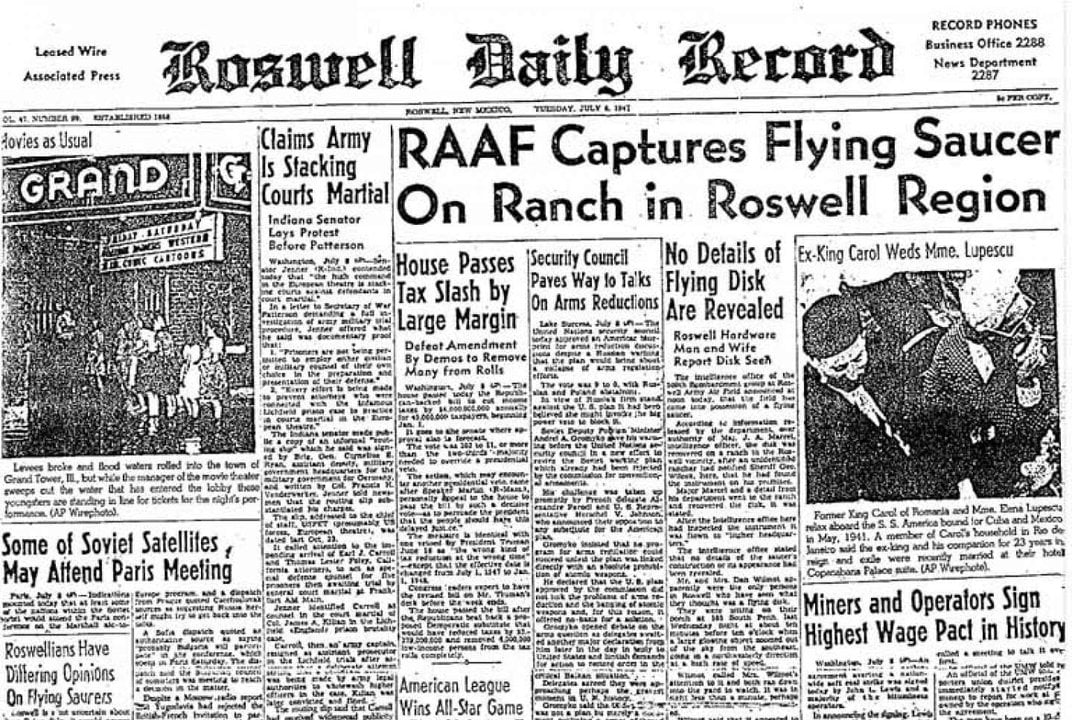
Churchill’s contemplation of alien life was not an isolated occurrence during times of global conflict. As the world braced for war, H.G. Wells’ “War of the Worlds” radio broadcast caused nationwide panic, emphasizing society’s fascination with otherworldly encounters. The British government, too, took UFO sightings seriously, as Churchill himself received regular briefings on the subject.

- Seeking Hope in Otherworldly Discoveries:
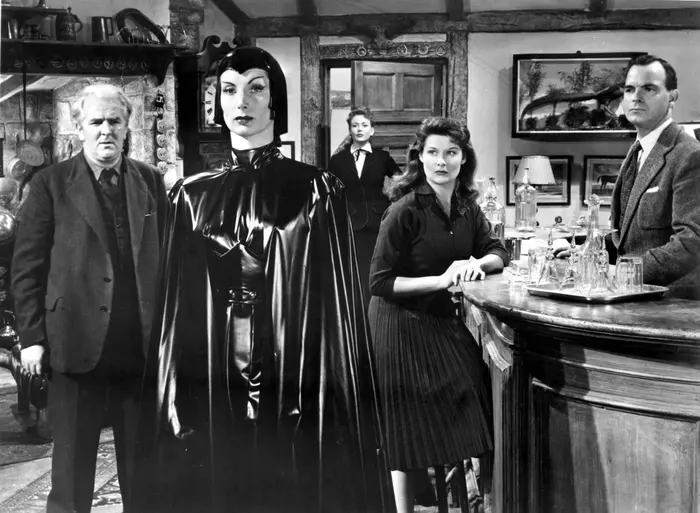
The prospect of life beyond Earth during times of destruction offers a glimmer of hope. The discovery of advanced civilizations might bridge ideological divides and inspire the belief that humanity could spread throughout the galaxy, avoiding conflicts over a single planet. A wealth of extraterrestrial life would also imply that Earth’s actions have minimal impact on the grand tapestry of creation.
- Churchill’s Remarkable Insight:
Churchill’s writings on science reveal him as a visionary. His predictions in a 1931 piece titled “Fifty Years Hence” ranged from atomic bombs to wireless communication and genetic engineering. Amidst the uncertainty of war, Churchill’s thoughts gravitated towards the possibility of life on other planets, displaying his multifaceted curiosity.

- The Profusion of New Worlds:
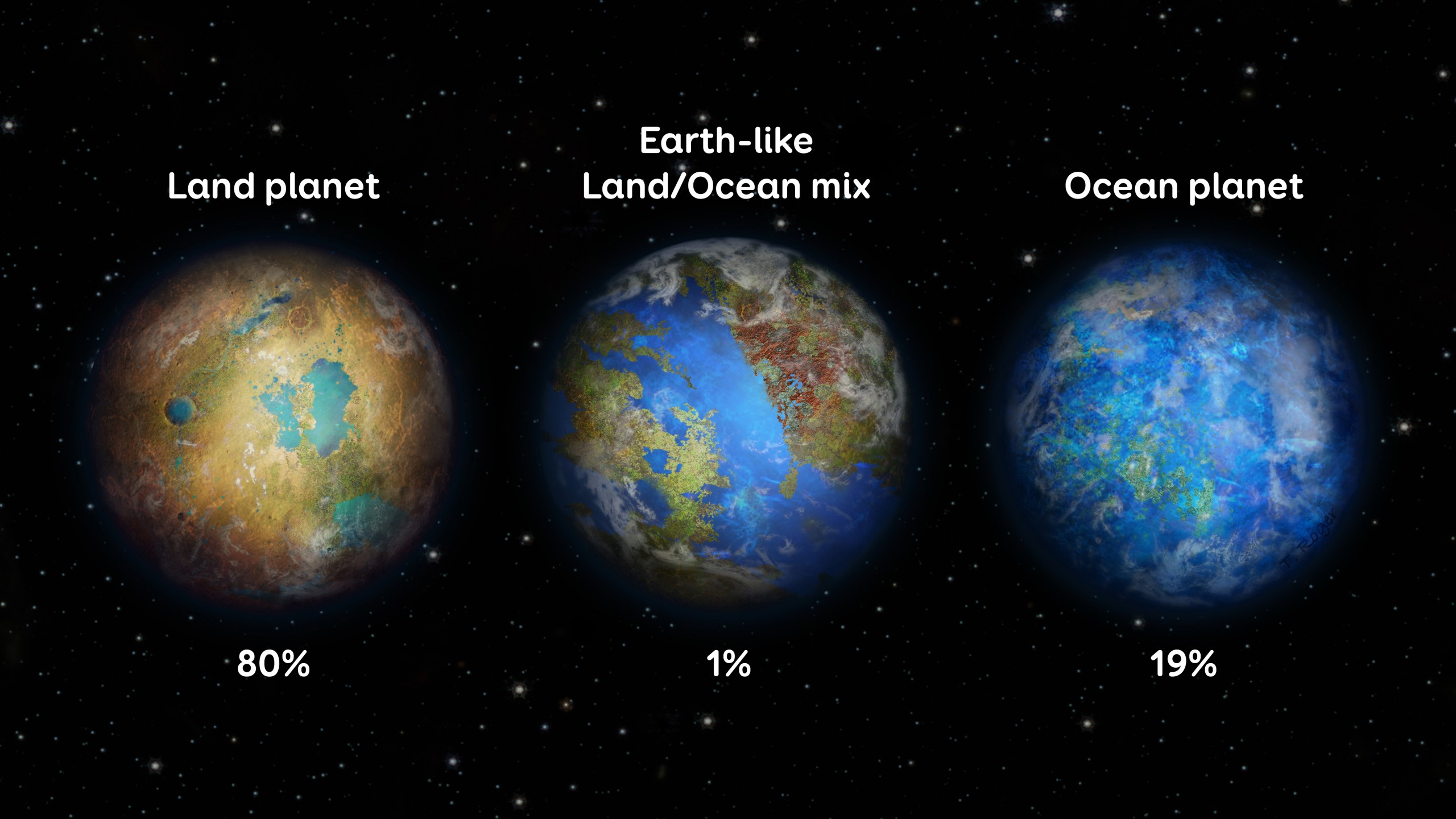
If Churchill were alive today, he would witness an explosion of planetary discoveries. Over the past 78 years, our knowledge has expanded from knowing of no planets beyond our solar system to identifying around 5,210 exoplanets with many similar in size to Earth and some even more able to handle life than Earth. Churchill’s focus on water as a medium for life and the significance of a planet’s distance from its star still hold relevance in modern planetary science.
- Searching for Biosignatures:
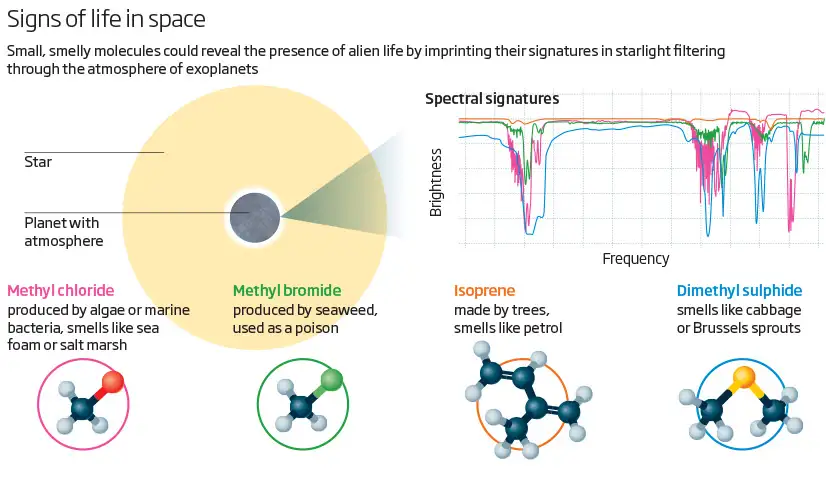
A contemporary Churchill might emphasize the importance of identifying biosignatures—observable changes in a planet’s atmosphere or reflected light that suggests the presence of life. Cutting-edge telescopes aim to collect such data by analyzing the composition of gases and detecting seasonal shifts in light patterns.
- The Fermi Paradox and Dark Speculations:
Churchill may have pondered the question of why we have yet to encounter intelligent life despite the abundance of planets in the universe. Known as the Fermi Paradox, this paradox suggests the existence of filters or barriers that prevent the spread of life. Speculations range from emergence bottlenecks and Gaian bottlenecks to the idea that intelligent life rarely evolves.

- The Prospect of a Bleak Filter:
In this context, Churchill might have contemplated the possibility that advanced civilizations destroy themselves before they can spread between star systems. Such a sobering realization could have influenced his understanding of the Fermi Paradox, providing a probable explanation for the absence of contact.
Winston Churchill’s essay on alien life offers a unique perspective as we examine the phenomena of UFO sightings and potential disclosure. While Churchill’s insights may not directly address these contemporary mysteries, his curiosity and openness to scientific inquiry serve as a reminder to approach the unknown with an inquisitive and imaginative mind. Whether we unravel the secrets of UFO sightings or find evidence of extraterrestrial life or it finds us, Churchill’s legacy inspires us to think outside the box sooner than later.
Mohammed Abbasi
 Mohammed Abbasi