

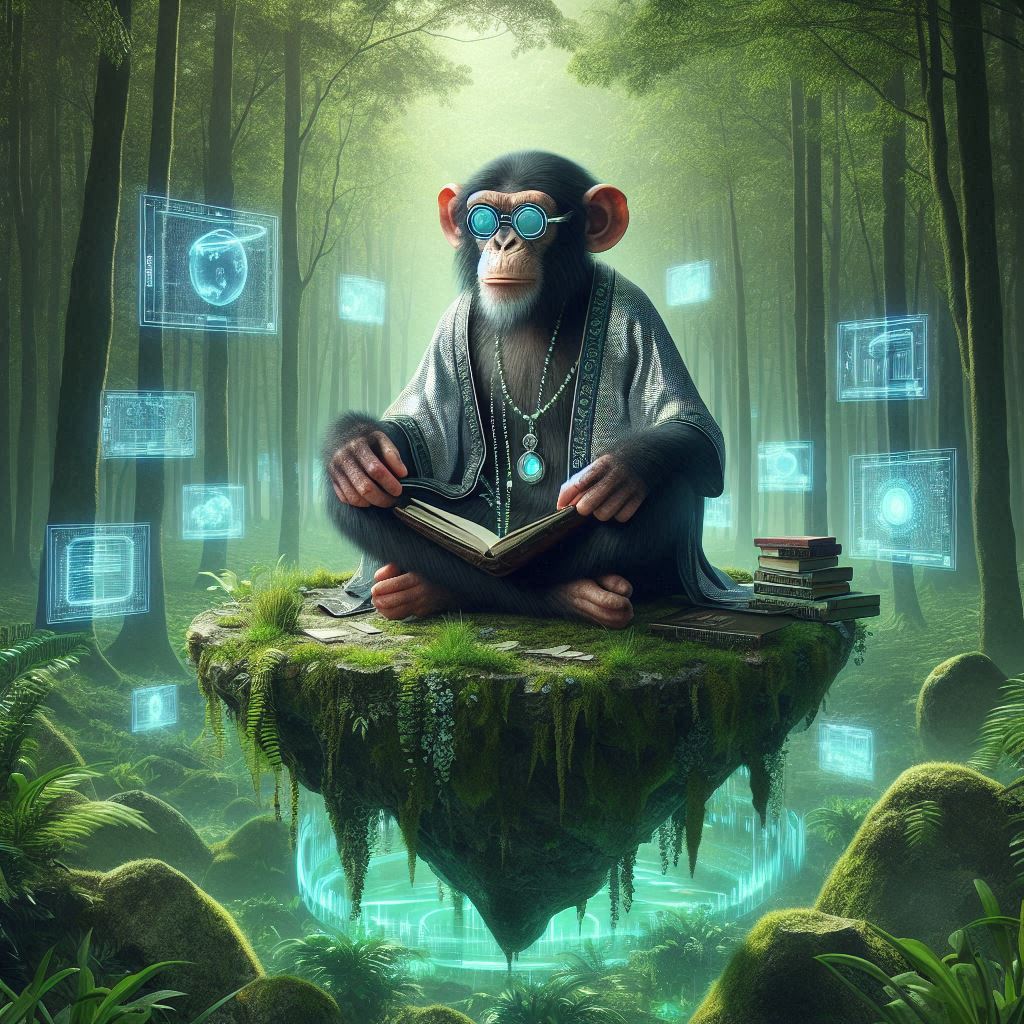
1. Primates
Primates, particularly great apes such as chimpanzees, bonobos, gorillas, and orangutans, exhibit remarkable cognitive abilities that parallel many human behaviours.
- Tool Use and Manufacturing: Chimpanzees are known to use sticks to extract termites from mounds and stones to crack nuts. This demonstrates problem-solving skills and the ability to create and use tools.
- Social Structures and Communication: Primates have complex social hierarchies and can communicate through vocalizations, facial expressions, and body language. Some primates, like bonobos, have shown the ability to learn sign language and use it to communicate with humans.
- Theory of Mind: Research suggests that some primates possess a theory of mind, meaning they can attribute mental states to themselves and others, understanding that others have beliefs, desires, and intentions different from their own.
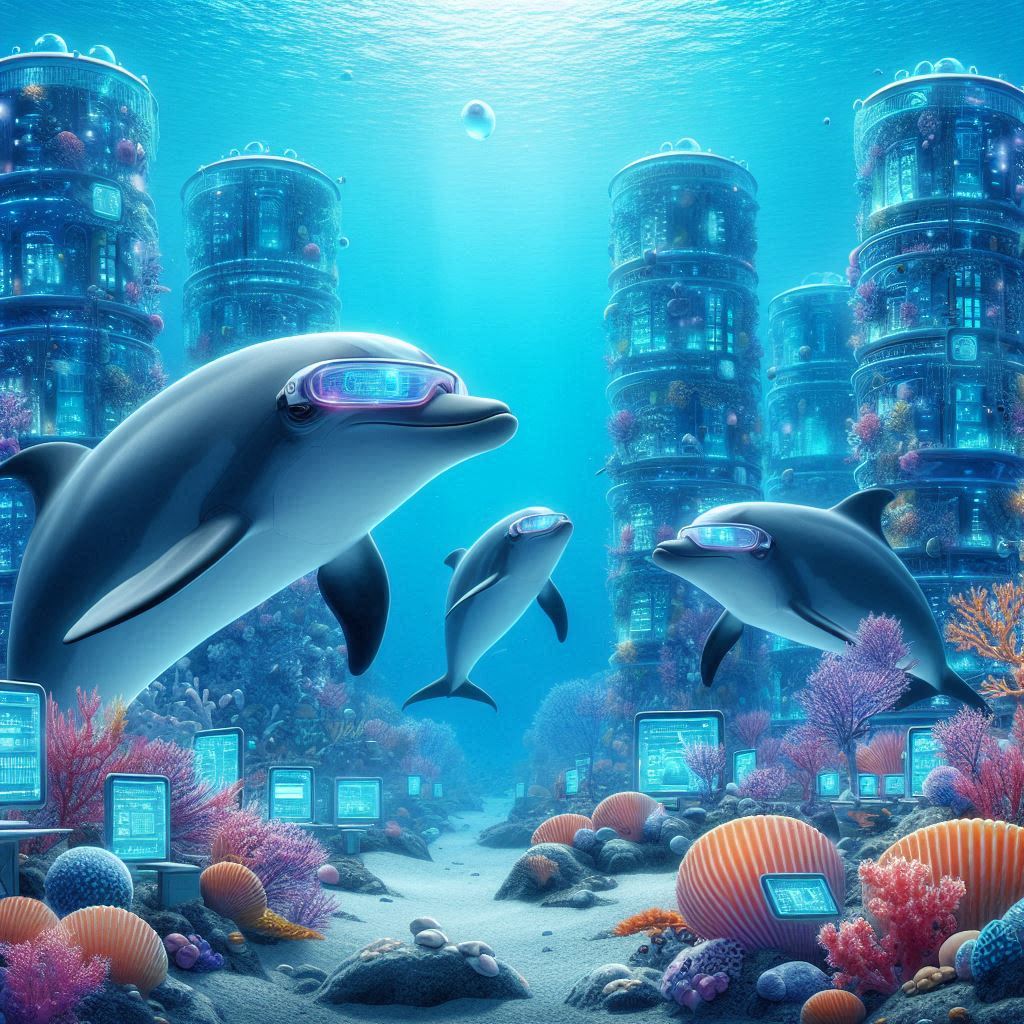
2. Cetaceans
Dolphins and whales, collectively known as cetaceans, are known for their high intelligence and complex behaviours.
- Echolocation and Communication: Dolphins use echolocation to navigate and hunt, demonstrating advanced sensory and processing capabilities. They also have complex vocalizations that may serve as a form of language.
- Social Behaviors: Dolphins live in complex social groups and display behaviours such as cooperative hunting and caregiving for injured or sick individuals. Their social structures are highly sophisticated and involve long-term bonds.
- Problem-Solving: Dolphins have been observed using tools, such as sponges to protect their snouts while foraging on the sea floor. They also exhibit playful behaviour, which is considered an indicator of cognitive flexibility and intelligence.
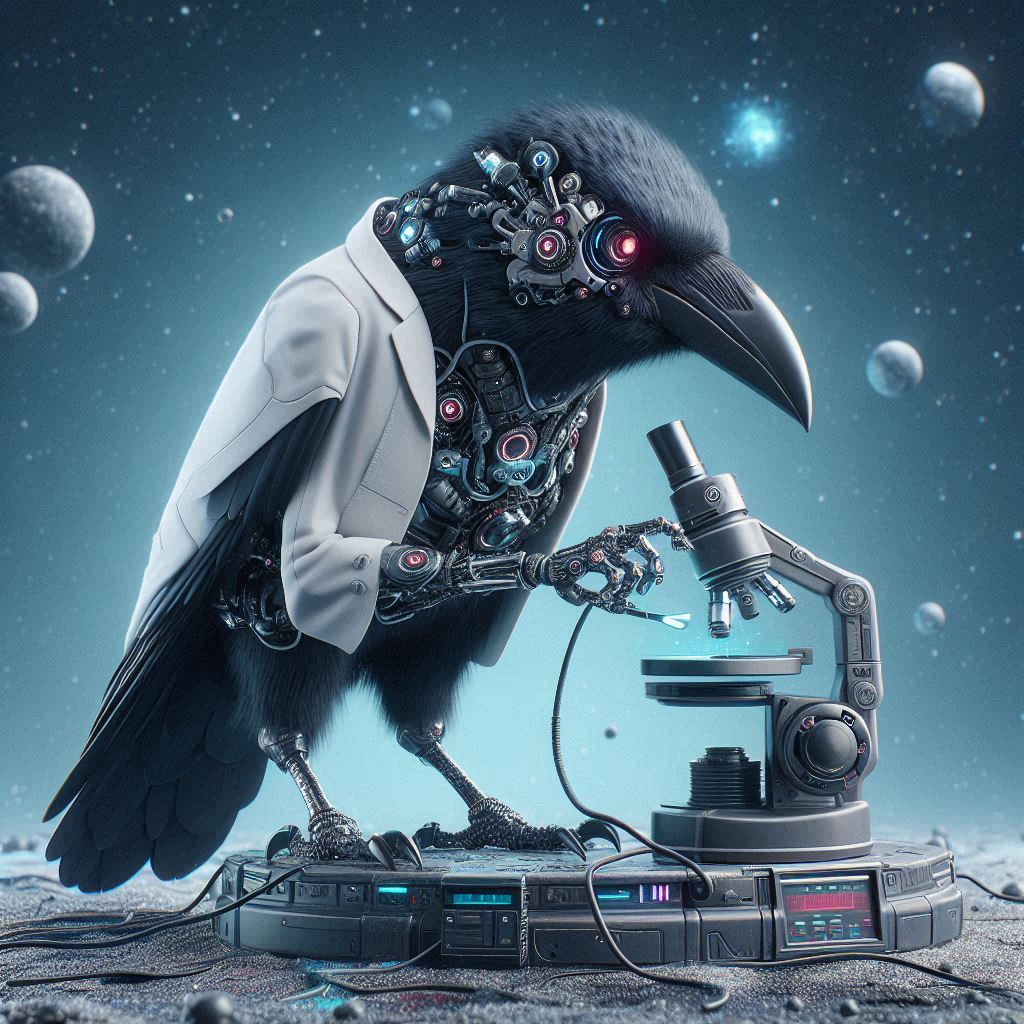
3. Corvids
Birds from the corvid family, such as crows, ravens, and magpies, are known for their impressive cognitive abilities.
- Tool Use: Crows have been observed using sticks to extract insects from tree bark and even fashioning their own tools from leaves and other materials.
- Memory and Planning: Corvids have excellent memory and can plan for future events. They store food in hidden caches and remember their locations for months. Some studies suggest they can anticipate the future needs of themselves and others.
- Problem-Solving and Learning: Corvids can solve complex puzzles, often involving multiple steps and the use of tools. They learn from observation and can even understand cause-and-effect relationships.
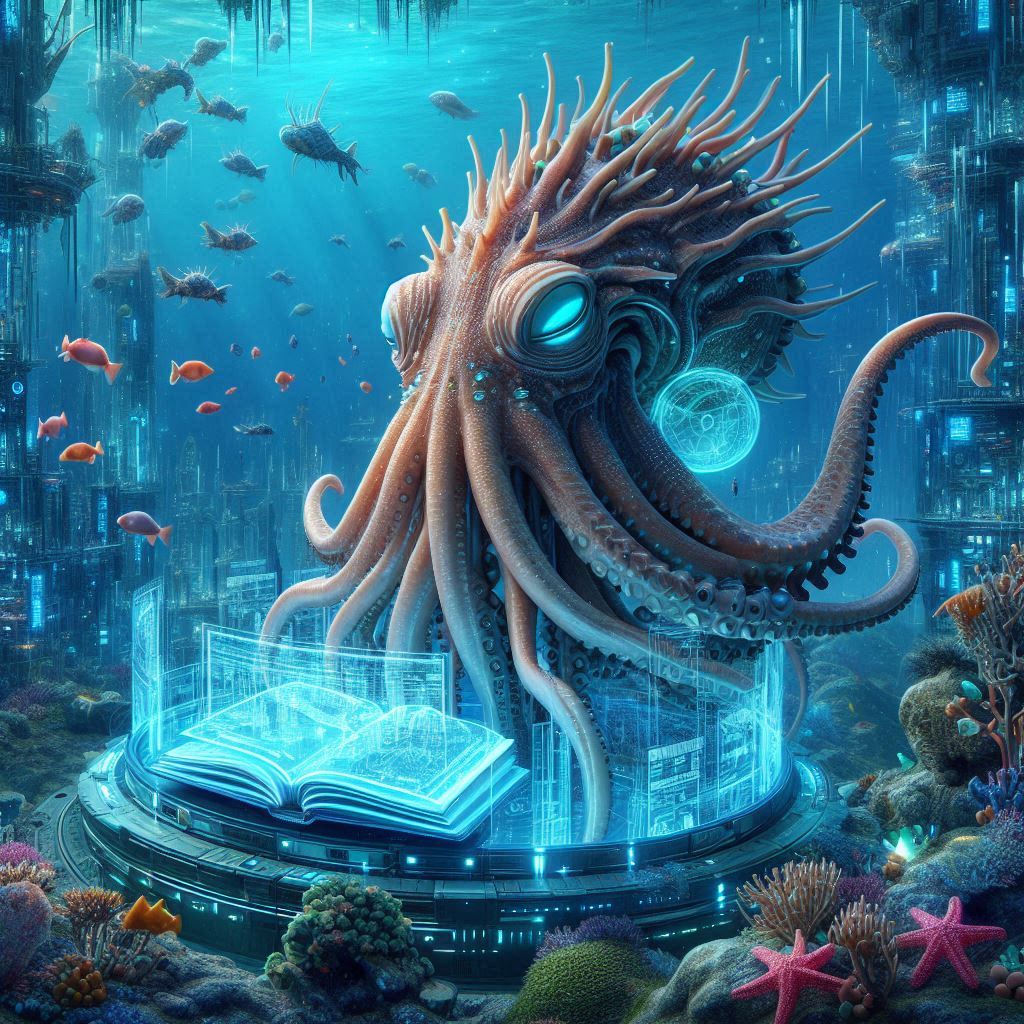
4. Cephalopods
Cephalopods, such as octopuses, squids, and cuttlefish, possess a unique form of intelligence that is quite different from that of vertebrates.
- Camouflage and Communication: Octopuses and cuttlefish can change their skin colour and texture to blend into their environment or communicate with other cephalopods. This ability requires sophisticated neural control and perception.
- Problem-Solving and Tool Use: Octopuses are known for their problem-solving skills, such as opening jars to access food. They have also been observed using coconut shells and other objects as shelters or tools.
- Exploration and Learning: Cephalopods are highly exploratory and exhibit curiosity. They can learn through observation and experience, showing a high degree of behavioural flexibility.
Implications for Understanding Intelligence
Studying intelligent non-human life on Earth helps us broaden our understanding of intelligence and its various manifestations. Here are some key takeaways:
- Diverse Forms of Intelligence: Intelligence is not a single, uniform trait but can take many forms depending on the species’ environment and evolutionary pressures.
- Comparative Cognition: By comparing cognitive abilities across species, we can identify common principles of intelligence and understand how different brains solve similar problems.
- Ethical Considerations: Recognizing the intelligence and sentience of non-human animals raises important ethical questions about how we treat them and their habitats.
- Evolutionary Insights: Studying intelligent behaviours in non-human animals provides insights into the evolutionary origins of human intelligence and the adaptive functions of cognitive traits.
And…
Intelligent non-human life on Earth, from primates to cetaceans, corvids, and cephalopods, showcases the rich tapestry of cognitive abilities that have evolved in response to diverse environmental challenges. These examples not only highlight the versatility of intelligence but also emphasize the importance of protecting and respecting the complex lives of these remarkable beings.
 Mohammed Abbasi