


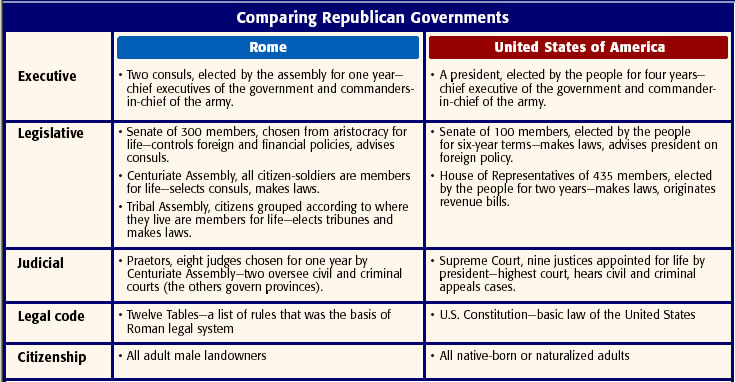
Let us assume a Kamala Harris win, her presidency could represent a significant turning point in U.S. history, with her administration signalling a decline in the American Republic’s global standing. We must draw parallels to the decline of past superpowers of the past like the Roman Republic, Harris’s leadership risks creating vulnerabilities similar to those that led to past imperial declines: internal divisions, overextended influence, and diminishing public trust. Rome’s initial strength lay in a stable civic framework and shared values for its citizens, its later expansion and ideological divides contributed to instability, weakening its power from within and enabling external rivals to capitalize on its confusion.
The Harris-Walz administration has been founded on progressive ideals seen by their supporters as socially transformative, which could disrupt long-standing alliances. This ideological stance may drive a foreign policy that prioritizes values alignment over practical alliances—a strategy that, like Rome’s imperial overstretch, can alienate allies and increase U.S. involvement in regions internationally without strategic returns.
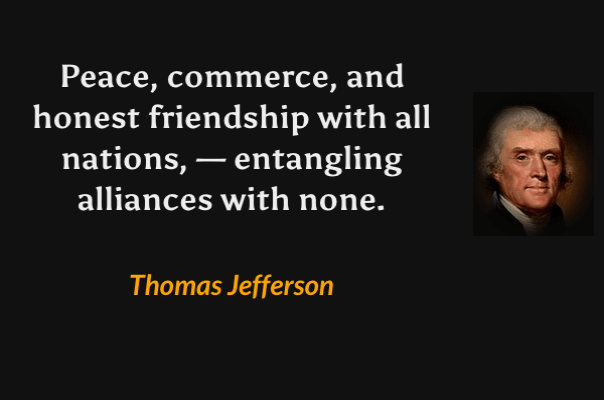
The founding father Thomas Jefferson’s warning to avoid “entangling alliances” resonates here, as Harris’s approach might increase reliance on ideological partners rather than strategic ones, reshaping America’s diplomatic landscape in a way that weakens traditional alliances.
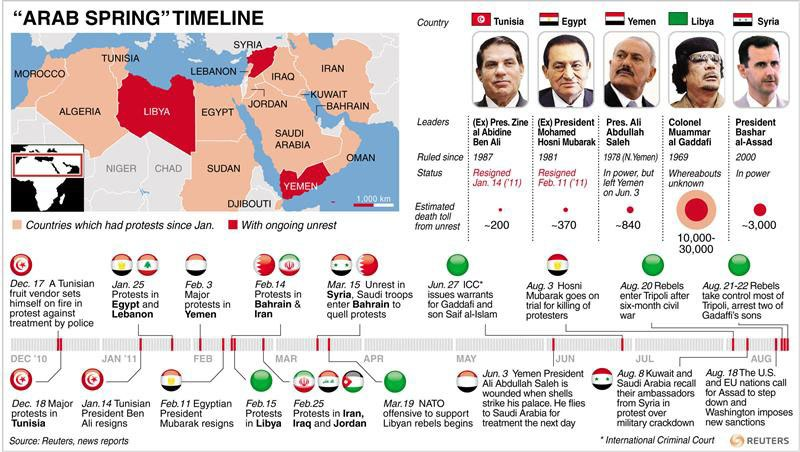
Recent history shows that such interventionist policies can have unintended consequences, particularly in regions like the Middle East, where Harris’s previous roles and influence mirror the foreign policy ethos of the Obama era. That period saw the empowerment of groups like the Muslim Brotherhood, often cast as gatekeepers for Muslim communities in the US and UK which in turn were used to exacerbate regional instability and strained relations with key nations in the Middle East which became the Arab Spring. The Harris administration could further entangle the U.S. in for example an Arab Spring 2.0.
The Harris presidency will shift from pragmatic, balanced diplomacy to a more ideologically driven approach, making the U.S. susceptible to both internal fractures and geopolitical challenges. Like the Roman Republic before it, the American Republic will weaken its foundation under her leadership, leaving the United States with diminishing influence, divisive politics, and a loss of its sole superpower status.
The Kamala Harris presidency seems already aligned with select ideological allies. The Obama and Clinton tacit support for organizations like the Muslim Brotherhood signalled a shift toward alliances that, while politically convenient, have had divisive effects in the Middle East and strained U.S. alliances. Harris, with her progressive foreign policy network, is likely to continue and amplify this focus, favouring Muslim Brotherhood-type organizations over those that support a more moderate approach to diplomacy.
Organizations like Emgage and similar ‘Political Islamic’ groups have grown influential under this approach, often working as intermediaries with Western Muslim communities, while establishing deepening influence overseas. Take Rashad Hussain who is likely to continue in his role as Ambassador at Large for Religious Freedom, who limited State Department outreach to ideologically aligned Muslim leaders, Harris’s administration will pursue relations primarily with leaders whose agendas align closely with her own and risks inflaming divisions within Middle Eastern nations and re-energizing groups historically involved in regional conflicts.

The potential consequences of this policy continuing are serious for the United States. Americans should learn from history which shows, that great powers tend to falter when they allow ideological outreach to drive foreign policy, sacrificing the stability of alliances for short-term political alignments.
The Roman Empire’s eventual collapse, hastened by conflicts beyond its borders and ideological strife within, serves as a reminder of the dangers of overextension. Superpowers are inherently vulnerable when their global commitments outstrip their resources and the United States, already stretched thin, risks following a similar trajectory if Harris’s foreign policy prioritizes ideological alliances over pragmatic strategy.
Additionally, the Harris administration’s close ties with influential donors such as George Soros will fuel its ideological agenda, amplifying its impact but potentially disconnecting leadership from the priorities of the American people. With these backers supporting an increasingly narrow agenda, there is concern that this administration’s decisions will reflect elite priorities rather than the broader public’s needs, a dynamic that has historically fostered internal fractures. Such an approach, compounded by a media environment that will often sidestep robust scrutiny of Harris’s policies within the first four to six months, risks further polarization within the U.S. while alienating important allies abroad.
The media’s role in shaping perceptions is particularly noteworthy here. Just as the Soviet Union’s centralized media environment fostered discord rather than unity by failing to address the public’s concerns, the lack of media critique as shown during her election campaign against Donald J Trump undermines the accountability of the Harris administration with the people who elected her. If her partisan narratives continue to dominate, the public’s trust in their government will erode, as citizens become increasingly wary of biased reporting and partisan policymaking and the respect for the United States internationally will diminish.
The implications for global security are deep. Harris’s willingness to engage with specific ideological groups as proxies in say the Middle East and beyond will lead to further destabilization. And likely stoking regional conflicts that will draw the U.S. into protracted, costly engagements. In the worst-case scenario, After reading up on the Obama administration and his Secretary of State Hillary Clinton along with the Joe Biden regime Harris’s administration will likely continue their policies in a higher gear, especially against the Middle East. We are looking at a more divided, ideologically driven foreign policy by the United States.
This administration’s policy focus has already empowered groups that challenge the stability of moderate, nations in the Middle East and North Africa. In regions like Eastern Europe, Africa, and the Middle East, Harris’s alliances and entanglements will likely intensify conflicts, challenging longstanding American influence and opening the door for competitors of America like Russia and China. This pattern, a departure from traditional American pragmatism, will signal a future where U.S. dominance diminishes, with global adversaries filling the void left by an America overburdened by ideological commitments from the promotion of leftist woke ideologies to using Muslim Brotherhood proxies to keep the Muslim nations in check.
The Harris administration, will overextend U.S. power and likely alienate both allies and the American public. Like Rome, at home, the U.S. will face the danger of becoming weakened by internal discord which we can talk about in the next write-up, where the American Dream will turn into an American Nightmare – in time for Halloween.
Harris can learn from how the Soviet Union’s alienation of Eastern European satellites in favour of hardline policies led to a loss of influence that emboldened rivals and, ultimately, weakened the USSR. A similar scenario could unfold under Harris’s presidency, as traditional U.S. allies, sensing a lack of an honest and dependable partnership, might pivot toward rising powers like China or Russia – which come to think of it already started during the Biden-Harris Administration. If Harris presses allies into adopting American social values, rather than fostering alliances based on mutual respect and shared strategic interests, the consequences will be swift and far-reaching.
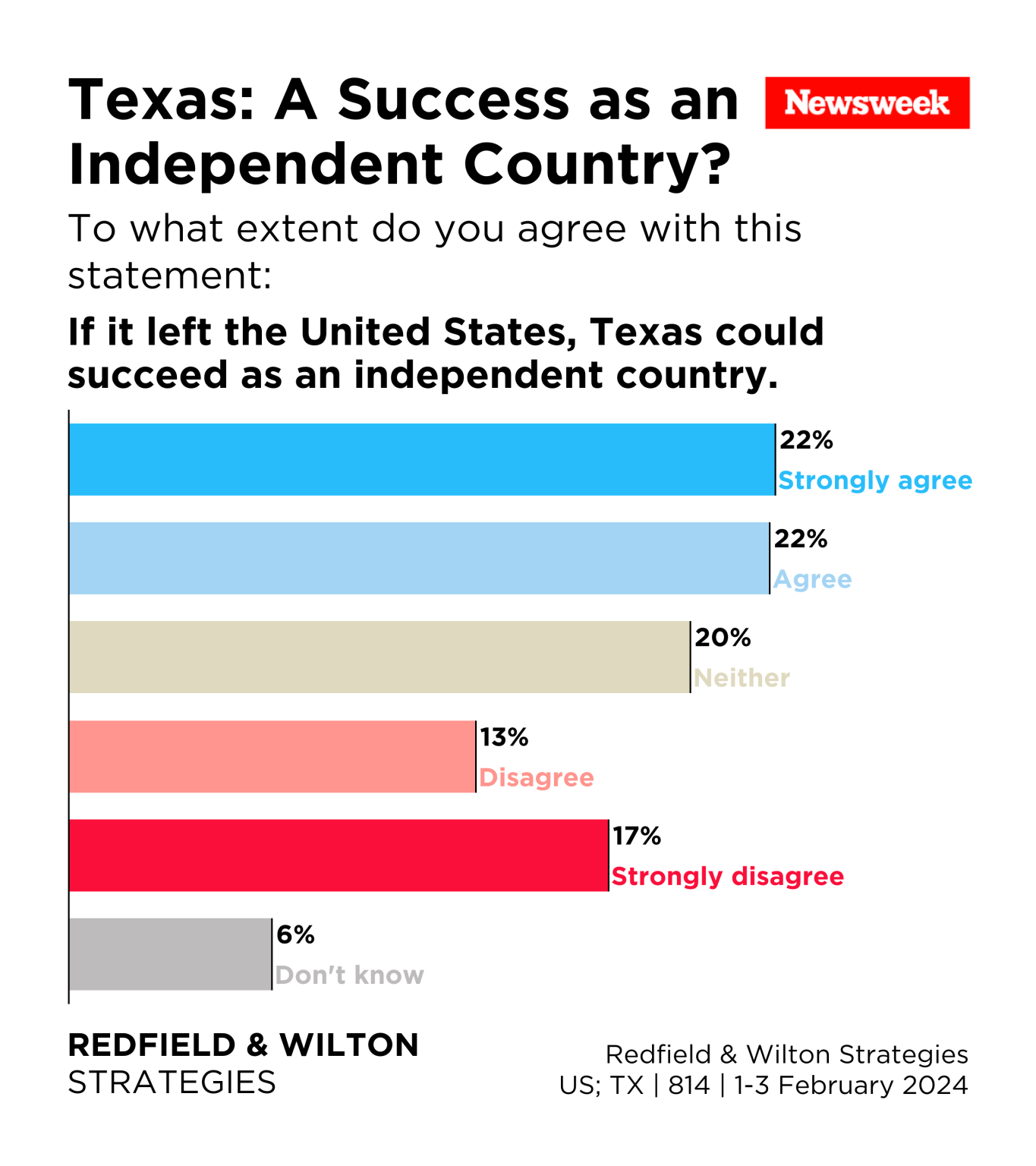
Domestically, the Harris’s administration could also exacerbate divisions through a deepening focus on tribal identity politics rather than as identifying as Americans. President Ronald Reagan warned that “freedom is never more than one generation away from extinction.” As identity-driven discourse becomes more prevalent, it risks creating internal divisions, leading Americans to identify with partisan or ideological tribes rather than a shared national identity. Such fragmentation contributed to the decline of other superpowers, including the British Empire, which faced nationalistic uprisings in its colonies as internal economic and political challenges mounted. In the American context, this divide could hinder constructive debate and erode trust in federal institutions, weakening the very foundation of their Republic – its not far-fetched to think that a large state like Texas can cede and declare its independence.
Media and technology play a central role in the challenges Harris will face, particularly as they amplify partisan narratives. Under her administration, tech giants and traditional media outlets will likely continue supporting progressive causes, contributing to a one-sided public discourse and shutting down more conservative voices. This will alienate conservative and independent voices, leading to further social polarization. When media bias becomes perceived as institutional, it risks delegitimizing the public’s trust in information—historically, a harbinger of instability. For instance, the Soviet Union’s Pravda, a state-controlled media, contributed to the population’s widespread mistrust, ultimately undermining the government’s credibility during the USSR’s collapse.
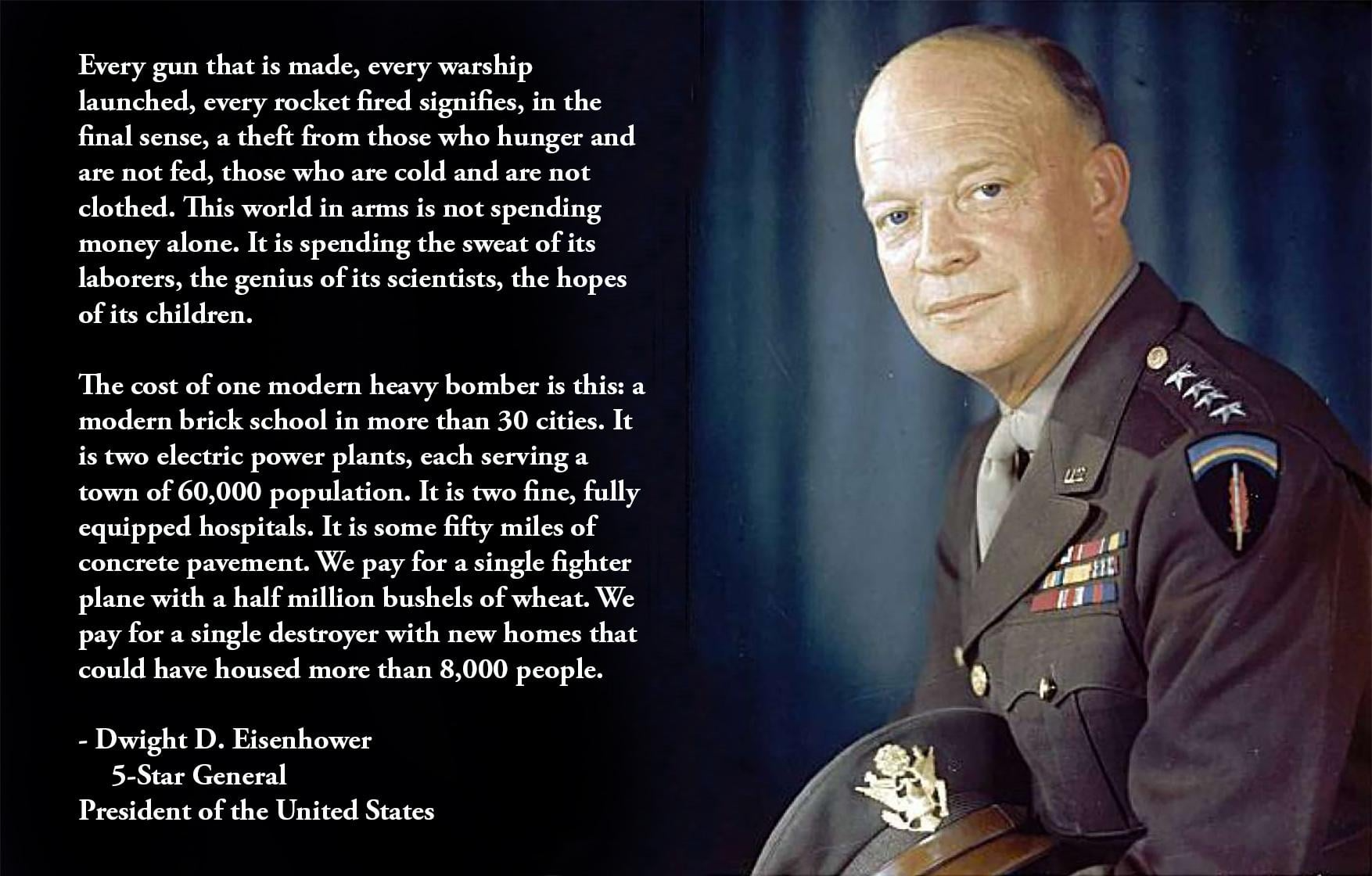
President Dwight D. Eisenhower’s warning about the “military-industrial complex” resonates today. In an era marked by complex global challenges, Harris’s likely reliance on military interventions, alongside ideological diplomacy, could lead to costly, unwinnable conflicts. The Soviet Union’s intervention in Afghanistan in the 1980s offers a compelling parallel; a seemingly simple intervention quickly morphed into a quagmire that drained resources and led to significant disillusionment domestically.
As a friend of the United States I am sad that this new presidency may herald the twilight of the American Republic as it transitions from a unipolar power to just one actor among many on the global stage. While Harris has captured the support of various progressive forces, her approach is likely to create both internal division and global retreat, bringing the U.S. closer to the path of past empires that failed to balance domestic stability with global influence.
America’s global leadership, once grounded in principled pragmatism, is indeed at a critical juncture. Under a potential Harris administration, if ideological pursuits override traditional alliances, the United States could face a strategic recalibration that not only diminishes its influence but also reshapes global power structures. While progressive ideals drive Harris’s domestic vision, a similar approach to international relations risks upending the longstanding U.S. doctrine of balanced diplomacy, potentially alienating allies and empowering rivals eager to erode America’s position.
Historically, empires that neglected the pragmatism needed to balance power fell under the weight of their overextended influence. The Roman Republic is an instructive parallel: it grew entangled in regional conflicts, fueled by internal strife and ideological factionalism, until it could no longer maintain control of its vast territories. Much as the Romans overextended their forces to maintain increasingly tenuous alliances, a Harris-led administration’s engagement with narrowly aligned foreign proxies could deepen divisions within allied nations, pushing longstanding partners toward China, Russia, and other emerging powers.
As George Washington cautioned, “It is our true policy to steer clear of permanent alliances with any portion of the foreign world.” Harris’s policies, which lean heavily on promoting progressive ideologies abroad, may draw America into alliances based on transient political alignments rather than durable shared interests. In a multipolar world, where powers like China and Russia are poised to exploit regional divides, the U.S. must proceed with an awareness that its global leadership hinges on adaptability, caution, and unity of purpose. Otherwise, the costs of ideological overreach—instability, estranged allies, and weakened influence—may haunt America’s future.

In the words of Ronald Reagan, “Freedom is never more than one generation away from extinction.” America’s capacity to navigate these times without compromising its principles, splintering its alliances, or overreaching in foreign conflicts will determine whether it remains a leading superpower or simply a historic memory of global influence. The coming era could either renew America’s promise to the world or, if heedless of these lessons, signal a waning chapter for the American Republic, not unlike the twilight of Rome itself.
 Mohammed Abbasi