

Despite polling showing a slight Trump lead or a close race, the Kamala Harris campaign can adopt several strategies to maximize their chances at the presidency prize. Using strategies from The Art of War by Sun Tzu, the Trump campaign could counter the outlined tactics of the Harris campaign by applying core principles like adaptability, anticipation, and leveraging strengths to undermine or neutralize potential obstacles. Here’s how each strategy might align with Sun Tzu’s wisdom and be employed to maintain a competitive edge:
Harris targets the Electoral College Over Popular Vote
- In a close popular vote race, Harris’s team is likely focused on efforts on the Electoral College, particularly in swing states like Pennsylvania, Michigan, and Wisconsin. By emphasizing voter turnout in Democrat-leaning urban centres within these states, Harris could tilt the scales even if the popular vote remains tight or favours Trump. These “battleground states” are generally determined by slim margins, meaning targeted get-out-the-vote campaigns in key districts could alter outcomes.
Trump counters Electoral College Manipulation: Focus on Key Battleground States
- Sun Tzu emphasizes knowing the “terrain” and positioning oneself in an advantageous location. The Trump campaign could double down on targeted outreach in critical swing states, not only in rural areas but in suburban areas and smaller urban centres where they can increase turnout. A grassroots effort to connect with voters in these pivotal regions could serve as a counter to the targeted urban mobilization strategy the Harris team may employ.

Harris moves aggressively Mail-In and Early Voting Push
- Expanding the use of mail-in and early voting—especially in Democrat-heavy areas—is another tactic for the Harris campaign. This approach, when heavily encouraged, has previously led to high Democratic turnout. Strategies could include deploying ballot collection practices (ballot harvesting) where legal and encouraging absentee voting under expanded eligibility criteria, particularly if contested. In states that are critical to the Electoral College, this could add significant numbers of Democratic votes. In a tight race, managing these additional votes effectively and handling any disputes legally could be a decisive factor.
Trump responds to Mail-In and Early Voting Push: Establish Clear Narratives Early
- The principle of “speed and adaptability” comes into play here. The Trump campaign can actively encourage their base to vote early, both in person and by mail, to ensure representation across all voting methods. By supporting a strong legal team and preparing to swiftly address any claims of ballot manipulation, they can create an environment of accountability around mail-in voting practices.

Harris prepares legal Contests in Tight Races
- Harris’s team is likely prepared for litigation in cases of narrow results. By challenging close results through recounts and ballot validity disputes, they could attempt to win the election through legal decisions in highly contested areas. A well-prepared legal team, familiar with election law and armed with grounds for contesting provisional ballots, would be ready to handle disputes in swing states and attempt to challenge or invalidate results if needed.
Trump combats Litigation in Close Races via Preemptive Legal Safeguards
- Sun Tzu says, “In battle, there are not more than two methods of attack—direct and indirect; yet these two in combination give rise to an endless series of maneuvers.” Trump’s team could counter litigation tactics by being proactive—investing in election monitors, legal advisors, and a rapid-response team to address and publicize any questionable ballot practices. By filing anticipatory suits on contentious ballot procedures before election day, they could blunt the effectiveness of post-election legal maneuvers.

Harris harnesses Support from Key Demographics and Voter Mobilization
- For any candidate, minority and young voters play a pivotal role, particularly in urban areas of battleground states. The Harris campaign could focus on increasing voter turnout within these demographics by mobilizing younger voters, minority communities, and suburban women—voter groups who typically lean Democratic. They could also target key messaging around social issues that resonate strongly with these communities, aiming to drive up participation.
Trump targets winning Key Demographics: Precision Targeting and Data-Driven Campaigns
- Sun Tzu highlights “knowing one’s enemy and oneself.” Trump’s campaign might use advanced voter data to target younger voters, minority communities, and independents in critical states with tailored messaging. Recognizing the effectiveness of Harris’s demographic targeting, Trump’s team could strengthen their appeals to persuadable voters by addressing localized issues and values that may resonate more effectively with undecided or swing voters.
Harris built Strategic Media Alliances and Counters Opposition Messaging
- The Democrats are leveraging favourable relationships with major media outlets which is allowing Harris’s campaign to influence public perception, maintain positive coverage, and counteract Trump’s messages. This media advantage includes proactively addressing potential controversies and controlling the narrative around key issues. Aggressively countering unflattering or misinformation narratives through major media outlets could prevent potential damage in close races.
Trump Aggressive Media Strategy: Rallying Support from Conservative and Independent Media
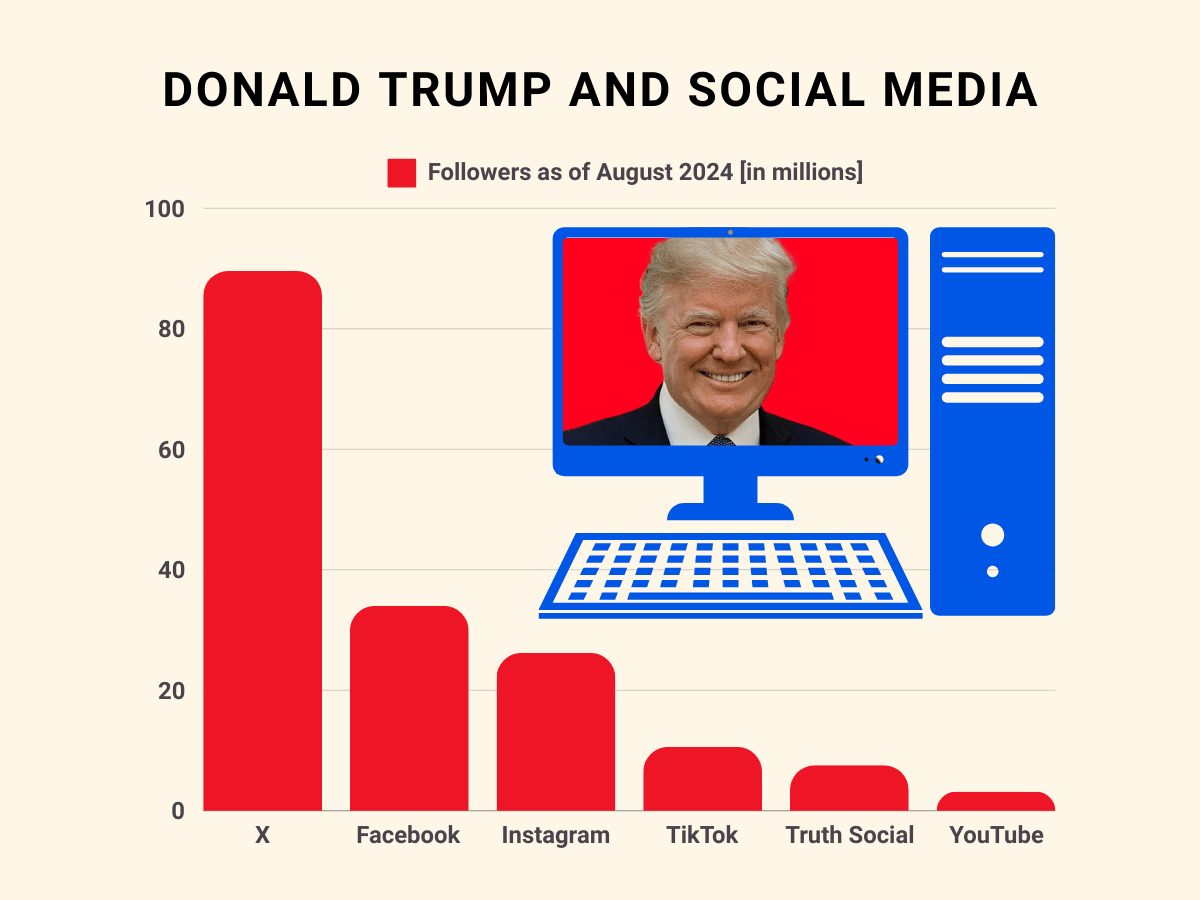
- To counteract a potentially pro-Harris media narrative, the Trump campaign could employ Sun Tzu’s directive to “appear where you are not expected.” They could leverage not only major conservative outlets but also engage in grassroots and independent media outreach, creating a strong, alternative source of information. Social media could also be used to amplify his policies and counteract Harris’s narrative directly to the public.
Harris outreached to Progressive Coalitions to Prevent Vote-Splitting
- The Democrats have also been engaging with left-leaning organizations and discouraging independent progressive candidates from splitting the vote that would help ensure as much of the progressive vote as possible aligns with the Democratic ticket. Harris could have negotiated with or engaged third-party candidates in states where their presence could detract from the Democratic vote. This would also mean extensive engagement with various leftist groups to consolidate their support, potentially promising concessions on policy positions to secure their votes in critical states.
Trump consolidated Conservative and Libertarian Support: Uniting the Right
- With Sun Tzu’s advice to “achieve victory without battle,” Trump’s campaign could minimize vote-splitting by aligning with third-party conservative voices, especially in swing states where libertarian or independent votes could split conservative support. Working to unify these groups and perhaps adopting some of their platforms into the campaign could ensure a broader support base.
Harris has litigation Preparation for Election Night Challenges
- In any contentious result, Harris’s campaign is likely prepared for extensive legal measures to contest ballots and validate votes in pivotal areas, especially in swing states. They might file suits to ensure ballots with minor issues are counted, and they would also prepare to combat any claims by Trump’s team regarding the integrity of mail-in votes. The readiness to act swiftly with a legal response to contested votes, recounts, or ballot validity disputes could allow Harris to maintain a fighting chance even in an initially unfavorable result.
Trump is anticipating Election Night Challenges: Quick Legal Action and Transparent Communication
- As Sun Tzu advocates, “The general who wins a battle makes many calculations,” preparation is key. Anticipating and preparing for contested election night results by having legal and communications teams ready to act swiftly could be essential. Transparency about vote-counting processes and addressing discrepancies in real time would help the Trump campaign maintain trust with voters, potentially offsetting any legal battles initiated by the opposition.

While these tactics, combined with legal challenges, voter mobilization, and favourable media support, could potentially enable the Harris campaign to overcome a tight race, each strategy would need careful handling due to legal and ethical considerations. The emphasis on specific, localized voter efforts and preparations for post-election litigation suggest the campaign’s understanding that every technical advantage could prove decisive in a highly competitive race against Trump.
Each of these strategies, drawn from The Art of War, focuses on anticipating and undermining opposition tactics while maximizing Trump’s natural advantages. Emphasizing Sun Tzu’s principles of adaptability, information advantage, and strategic positioning would ensure a disciplined approach that is both responsive and resilient.
Mohammed Abbasi
 Mohammed Abbasi