

The Transformation of Singapore: How Lee Kuan Yew Built a Modern Powerhouse
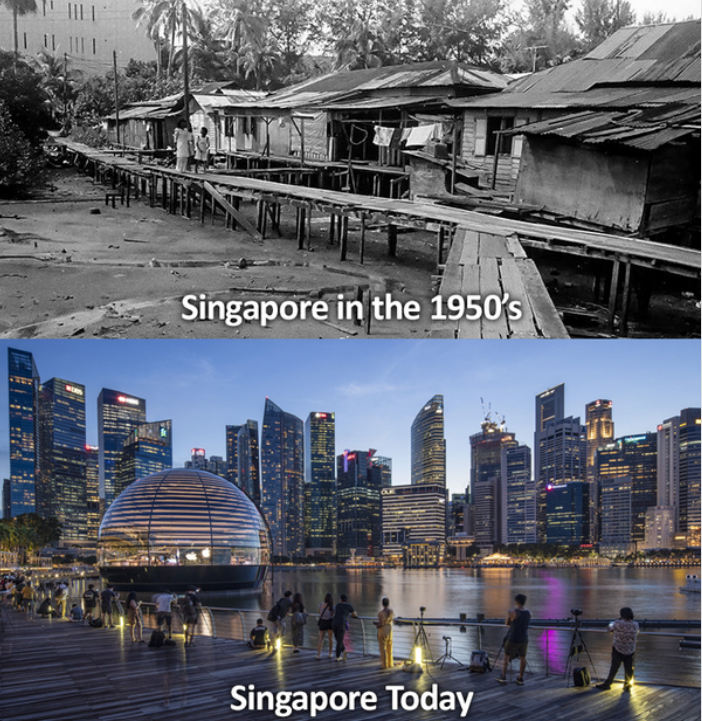
In 1965, Singapore faced an existential crisis. Expelled from Malaysia, this tiny island nation of just two million people had no army, no natural resources, no fresh water, and a population mired in slums. The prognosis was grim. Yet, under the leadership of Lee Kuan Yew, Singapore rose to become one of Asia’s greatest success stories—a testament to vision, determination, and strategic governance.
A Nation in Crisis
When Singapore gained its reluctant independence, the challenges were staggering. Cut off from Malaysia, the country faced threats to its survival on all fronts:
- Economic Fragility: With no natural resources to exploit, Singapore’s prospects seemed bleak.
- Social Unrest: Race riots highlighted deep ethnic tensions within a fragile society.
- Geopolitical Vulnerability: Hostile neighbors and the lack of a national defense force left the country exposed.
For many, the odds of success seemed insurmountable. But for Lee Kuan Yew, failure was not an option.
Building Strength First: Military and Security
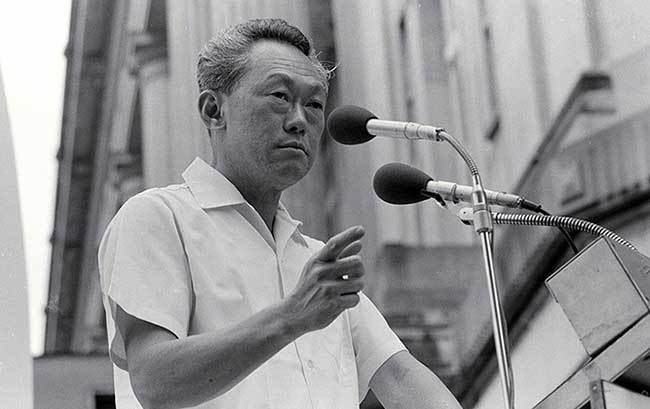
Lee’s first move was to establish a robust defense system. While others might have prioritized diplomacy or economic reforms, Lee understood the value of security. He set out to build the strongest military in Southeast Asia, ensuring Singapore’s survival amidst regional tensions.
“If you want to be friends, that’s great. But if you don’t, we’re ready,” Lee declared.
This bold approach sent a clear message: Singapore was not a nation to be underestimated.
Economic Vision: From Survival to Prosperity
While defense ensured survival, Lee’s economic strategies transformed Singapore into a global powerhouse. Recognizing the limitations of geography and resources, he reimagined the nation as a hub for trade, finance, and innovation.
- Strategic Partnerships: Singapore opened its doors to multinational corporations, offering favorable business conditions and political stability. This transformed the island into a magnet for foreign investment.
- Human Capital Development: With limited natural resources, Lee emphasized education and skills development. Singaporeans were equipped with the tools needed to excel in a competitive global economy.
- Infrastructure Mastery: Investments in ports, airports, and housing laid the foundation for Singapore’s emergence as a logistical and financial hub.
Social Harmony: Managing Diversity
Lee Kuan Yew also tackled the social fragmentation that plagued the young nation. With a population composed of Chinese, Malays, and Indians, ethnic harmony was essential for stability.
Through policies that emphasized meritocracy, multiculturalism, and bilingual education, Lee sought to unify the population while respecting its diversity. The introduction of the Ethnic Integration Policy ensured balanced representation in public housing, preventing the formation of ethnic enclaves.
A Ruthless Pragmatism
Lee’s leadership was defined by pragmatism. He made difficult, sometimes controversial decisions to secure Singapore’s future:
- Tight Governance: Lee prioritized efficiency and results over ideological purity. Critics argued that his policies curtailed freedoms, but supporters contended that these measures were necessary for national stability and progress.
- Zero Tolerance for Corruption: By fostering a culture of accountability, Singapore’s government became one of the cleanest and most efficient in the world.
A Global Model
Today, Singapore is a testament to what visionary leadership and relentless determination can achieve. It stands as:
- An Economic Powerhouse: A global hub for finance, trade, and technology.
- A Beacon of Stability: One of the safest and most well-governed nations globally.
- A Model for Multiculturalism: A society where diversity is celebrated and managed effectively.
Lessons for the World
Singapore’s rise under Lee Kuan Yew offers valuable insights for nations grappling with challenges:
- Leadership Matters: Strong, pragmatic leadership is critical in times of crisis.
- Adaptability is Key: Nations must play to their strengths, even when resources are scarce.
- Unity Through Diversity: Effective management of cultural and ethnic differences can be a foundation for stability.
- Invest in People: Human capital is the most valuable resource for long-term prosperity.
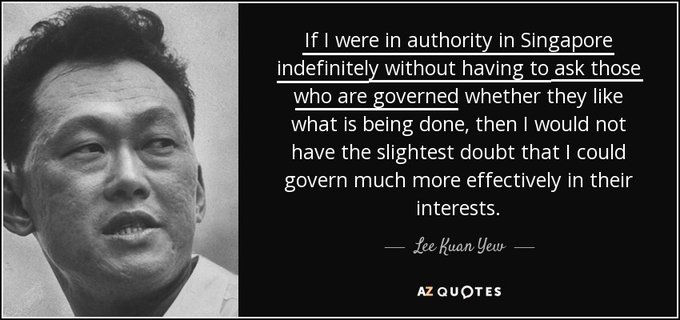
Lee Kuan Yew’s vision turned a beleaguered island into a global success story. His approach—bold, strategic, and uncompromising—demonstrates the transformative power of leadership. Singapore’s journey reminds us that even in the face of overwhelming odds, resilience, and vision can forge a path to greatness.
 Mohammed Abbasi